 Electrica Control Systems & Services
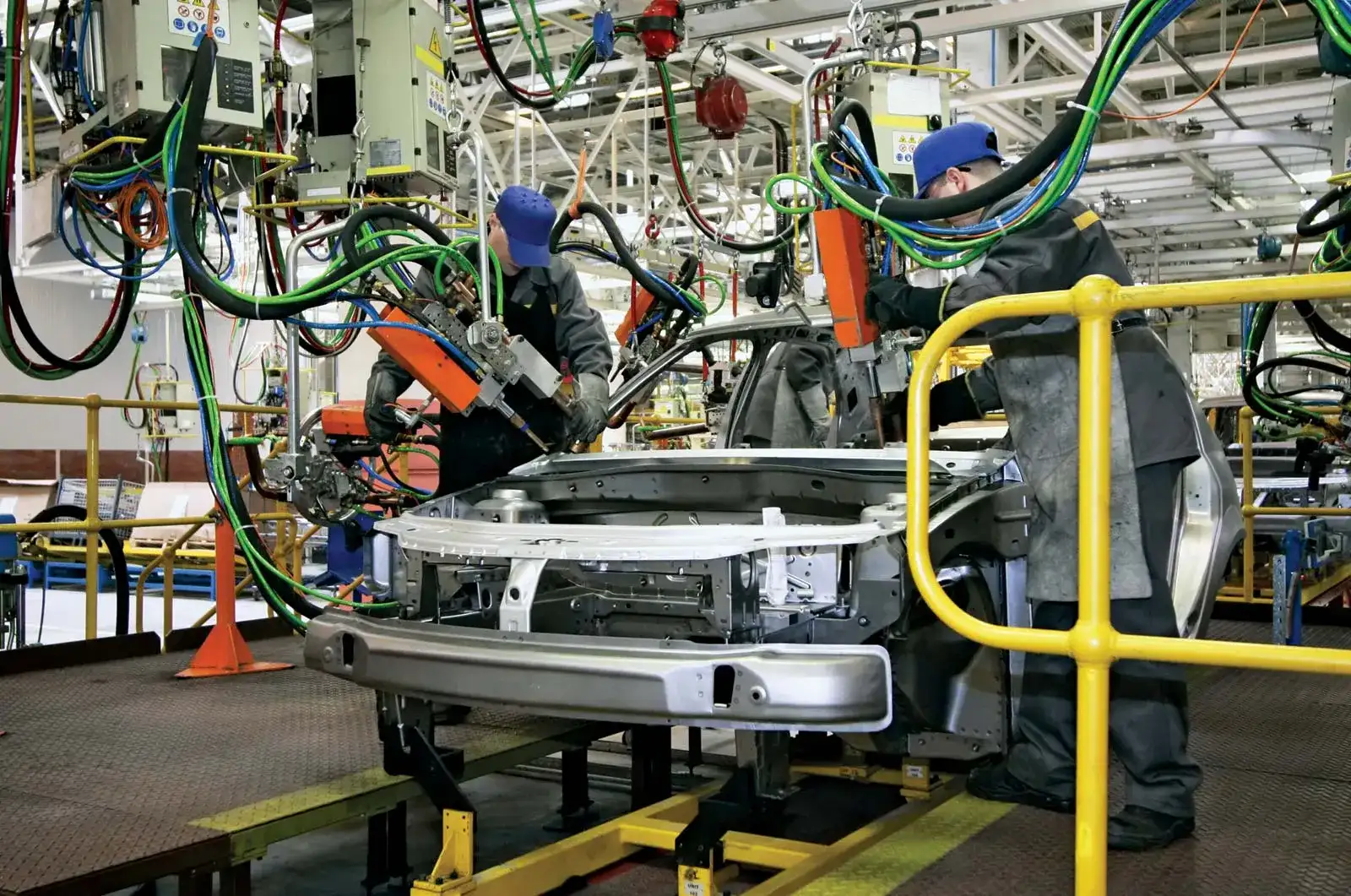
Industrial automation has become an essential part of modern manufacturing and processing environments. As industries look for better productivity, consistency and control, automation technologies are helping businesses transform the way machines and processes operate.
From individual machines to complete production lines, automation combines electrical equipment, controllers, drives, operator interfaces and communication systems to create coordinated industrial processes.
But industrial automation is not simply about replacing manual operations. A well-designed automation system is built around the specific requirements of the machine, process and application.
What Is Industrial Automation?
Industrial automation refers to the use of control systems and technologies to operate and monitor industrial processes with reduced manual intervention.
These systems can range from a simple motor control application to complex production environments involving multiple machines, controllers and communication networks.
Why Is Industrial Automation Important?
Modern industries operate in environments where productivity, reliability and process consistency are increasingly important. Automation helps businesses manage these requirements more effectively.
Depending on the application, automation can help improve:
- Production consistency
- Machine and process monitoring
- Operational efficiency
- Motor and equipment control
- Data visibility
- Process repeatability
Key Components of an Automation System
An industrial automation system usually consists of several interconnected components. Each component performs a specific role while working together as part of the complete control architecture.
PLCs & Controllers
Programmable Logic Controllers, commonly known as PLCs, are widely used for controlling machines and industrial processes. They receive information from field devices, process the control logic and provide outputs to connected equipment.
VFDs & AC Drives
Variable Frequency Drives allow motors to operate at controlled speeds according to the needs of the application. They are commonly used in pumps, conveyors, fans, compressors and other motor-driven systems.
HMI & Operator Panels
Human Machine Interfaces provide operators with a practical way to monitor processes, view system information and interact with machines.
Servo & Motion Systems
Servo and motion technologies are used where applications require accurate positioning, controlled movement and repeatable motion.
Control Panels
Control panels bring together electrical, automation and protection components required to operate a machine or industrial system.
How These Components Work Together
The strength of an automation system comes from how its individual components work together. Sensors and field devices provide information to the controller, while drives and other equipment respond according to the programmed control logic.
The HMI provides the operator with visibility into the process, while communication systems allow different devices to exchange information.
The right automation solution should be selected around the application first, with products and technologies chosen to support the required process.
Choosing the Right Automation Solution
Selecting automation equipment should begin with understanding the actual application. Machine requirements, motor ratings, control philosophy, environmental conditions and future expansion should all be considered.
A solution that works well for one application may not necessarily be appropriate for another. This is why application-focused engineering is important when selecting industrial automation equipment.
Understand the Application
Start by understanding what the machine or process needs to accomplish. Identify the number of inputs and outputs, motor requirements, operating sequences and monitoring requirements.
Consider Future Requirements
Automation systems should also allow for future changes wherever possible. Additional machines, communication requirements or production expansion may influence the selection of the control architecture.
Focus on Integration
PLCs, drives, HMIs and other components should be considered as parts of one system rather than as completely independent products.
The Role of Technical Support
Choosing a product is only one part of an automation project. Understanding the application, selecting suitable equipment and integrating the system correctly are equally important.
Technical support can therefore make a significant difference when dealing with complex industrial requirements.
Frequently Asked Questions
Final Thoughts
Industrial automation brings together electrical, control and software technologies to create more efficient and manageable industrial processes.
Whether the requirement involves a new machine, an existing production line or an automation upgrade, the right solution begins with understanding the application.
With the right combination of products, engineering and technical support, automation can become a valuable part of a modern industrial operation.